
Mitchell County Criminal Court Records
A criminal court record is the case file the court maintains after a charge becomes a court matter. In Mitchell County, felony files are Superior Court matters in the South Georgia Judicial Circuit. State Court may handle misdemeanors, traffic-related misdemeanors, preliminary hearings, warrants, and civil matters not reserved to Superior Court. The Clerk of Superior Court is listed by GSCCCA as managing Superior, State, and Juvenile Court records, but juvenile criminal-type matters are restricted and should not be treated as open public dockets.
The criminal court record is not just a charge list. It may include indictment, accusation, special presentment, arraignment notice, waiver of arraignment, bond order, pretrial motions, competency or sanity forms, plea transcript, trial calendar, verdict, disposition, sentencing order, and probation revocation filings. For the charge-focused path after an arrest, use the Mitchell County arrest records and court charges page. For all court record categories, the broader court records page covers civil, probate, magistrate, and records-access routes.
The South Georgia District Attorney's Office official site is a key source for felony prosecution in the South Georgia Circuit.
The prosecutor's role is separate from the clerk's role: the prosecutor files or pursues charges, while the court and clerk maintain the case record.
Search Mitchell County Criminal Records
No official public countywide criminal case-search portal was found for Mitchell County Superior, State, and Juvenile Court files. Start with the Clerk of Superior Court when the file is a felony, State Court misdemeanor, or criminal court case. Use the case number if known. If not, provide the defendant's full name, approximate filing date, case type, attorney name, or hearing date from the circuit calendar. For hearing dates, use the South Georgia Judicial Circuit calendars, then confirm with the clerk because criminal calendars can change.
- Decide whether the matter is a court case, a warrant, a jail custody question, or a state criminal-history question.
- For Mitchell County criminal court records, call or visit the Clerk of Superior Court with the defendant name and case number if available.
- Check the South Georgia Judicial Circuit calendars for hearing day, trial, habeas, or WebEx settings.
- Ask whether the case is public, restricted, sealed, juvenile, or too recent to appear in a public channel.
- Request plain or certified copies from the clerk, or use GSCCCA eCertification if the requested criminal document is supported.
Statewide criminal-history records are different from Mitchell County criminal court records. Georgia record restriction, state custody searches, and VINE notifications may involve state agencies, but the full court file and certified court disposition come from the court that handled the case. Arrest and custody status also differ from the court record, so jail questions should go to the sheriff or Justice Center.
Mitchell County Criminal Case Flow
Criminal court records in Mitchell County build as the case moves from charging to final disposition. A felony may begin through arrest, warrant, indictment, special presentment, or accusation depending on the facts and charging route. Arraignment then records the formal plea stage unless waived under court rules. Pretrial activity can include bond orders, motions, competency forms, calendar settings, and plea negotiations. The case then moves to plea, trial, dismissal, or other disposition, followed by sentencing if there is a conviction or qualifying plea.
Case flow: Charges Filed › Arraignment › Pretrial and Motions › Plea or Trial › Disposition › Sentencing
| Stage | What the Criminal Court Record May Show |
|---|---|
| Charges filed | Indictment, special presentment, accusation, complaint, warrant-related filing, or case opening data. |
| Arraignment | Formal reading or waiver of charges and the defendant's plea. |
| Pretrial and motions | Bond orders, motions, competency or responsibility evaluations, notices, and calendar settings. |
| Plea or trial | Plea transcript, jury or bench trial setting, verdict, or negotiated resolution. |
| Disposition and sentence | Final charge outcome, sentencing order, probation terms, fines, costs, or revocation activity. |
Mitchell County Criminal Record Fields
The criminal case file is field-driven. The case number ties together the docket, calendars, motions, and final orders. The defendant name and case caption identify the person charged and the prosecuting authority, often State of Georgia v. defendant. The filing basis tells whether the charge entered court by indictment, special presentment, accusation, complaint, warrant, or citation. Docket events show case movement over time, but full documents may require a clerk copy request.
| Field | What It Shows |
|---|---|
| Case number | The court's unique criminal case identifier for filings, calendars, and copy requests. |
| Defendant | The person charged in the case, usually shown in a State of Georgia caption. |
| Charge filing | Indictment, accusation, special presentment, complaint, citation, or warrant-related filing. |
| Plea | Guilty, not guilty, nolo contendere, or other plea information when entered. |
| Calendar events | Arraignment, waiver, hearing day, pretrial, trial, habeas, WebEx, or other scheduled event. |
| Disposition | Final or current charge outcome such as guilty, not guilty, dismissed, nolle prosequi, or pending. |
| Sentence | Punishment or terms imposed after conviction or qualifying plea, including probation-related orders. |
The Prosecuting Attorneys' Council Mitchell County listing identifies Joe Mulholland as District Attorney and Tabitha Payne as Solicitor-General.

That split matters because felony prosecution and misdemeanor State Court prosecution can involve different prosecuting offices.
Mitchell County Charges vs Convictions
A charge is an allegation filed in court. A conviction is an outcome after a guilty plea, nolo plea accepted by the court, or verdict. Mitchell County criminal court records may show charges that were amended, reduced, dismissed, not prosecuted, or resolved by plea. A charge appearing in a docket should not be read as a conviction unless the disposition and sentence show that result.
| Point | Charge | Conviction |
|---|---|---|
| Stage | Filed by accusation, indictment, special presentment, complaint, citation, or related charging paper. | Entered after plea or verdict and reflected in disposition or sentencing records. |
| Meaning | An allegation that must still move through court. | A final finding or accepted plea on the charge. |
| Record effect | May remain visible even if later dismissed unless restricted or sealed. | May affect sentence, probation, fines, and criminal history. |
Mitchell County Dispositions
Disposition is the current or final outcome of the criminal charge. Common terms include guilty, not guilty, dismissed, nolle prosequi, pending, amended, reduced, or probation revocation. A sentence is separate from the disposition. It may show jail, prison, probation, fines, costs, or other terms imposed after conviction or plea. If a docket has several charges, read each charge line separately because one charge can be dismissed while another ends in conviction.
The South Georgia Judicial Circuit forms page lists criminal forms such as waiver of arraignment, plea transcript, competency to stand trial, criminal responsibility or sanity materials, and judgment or order on mental incompetency. Those form categories show why criminal court records often include more than a simple docket line.
Sealed vs Restricted Records
Georgia research supports careful wording. Criminal history may be restricted under Georgia law for eligible outcomes, while a court file may be sealed or limited by court order under Rule 21. These are not the same process. A restricted criminal-history record may limit public dissemination by law enforcement or state criminal-history systems, while a sealed court file limits access to part or all of the court record. Eligibility depends on the disposition, statute, agency records, and court orders.
| Point | Sealed Court File | Restricted Criminal History |
|---|---|---|
| Source | Court order, often under Rule 21 for Superior Court files. | Georgia record restriction process tied to eligible criminal-history outcomes. |
| Effect | Limits public access to court-file material identified in the order. | Limits public dissemination of eligible criminal-history information. |
| Where to start | The court that holds the case file. | The disposition, arresting agency, prosecutor, and state criminal-history process. |
Access Mitchell County Criminal Records
Criminal court records are generally public unless a law, exemption, juvenile rule, sealing order, or redaction requirement limits access. The Georgia Open Records Act broadly opens public records, but court case access also follows court rules and sealing orders. Uniform Superior Court Rule 21 is the key rule identified in research for access to Superior Court files. Personal identifiers, protected medical or mental-health details, juvenile information, and sealed material may be withheld or redacted.
Key access point: The clerk can provide court-file access, but the prosecutor controls prosecution records and the sheriff controls jail or booking records.
Prosecution and Defense Access
The South Georgia District Attorney's Office prosecutes felony cases for the circuit. The official contact page lists the Office of the District Attorney, South Georgia Circuit, at 114 South Broad Street, Bainbridge, GA 39818, phone (229) 246-1823. The PACGA listing also identifies the Mitchell County District Attorney as Joe Mulholland. State Court misdemeanor prosecution may involve the Solicitor-General, listed by PACGA as Tabitha Payne at 108 S. Broad Street, Bainbridge, GA 39817, phone 229.246.7030.
The Georgia Public Defender Council finder is the state path for public-defender office lookup. Research lists the South Georgia Circuit Public Defender as Hoyle "Tre" McLendon, with office address 118 River Street, P.O. Box 1045, Bainbridge, GA 39818-1045, phone 229.246.2877. Defense counsel may receive case information through discovery and court filings that is not identical to what a general public records requester can obtain.
The South Georgia District Attorney contact page is the official prosecutor contact source for the circuit.
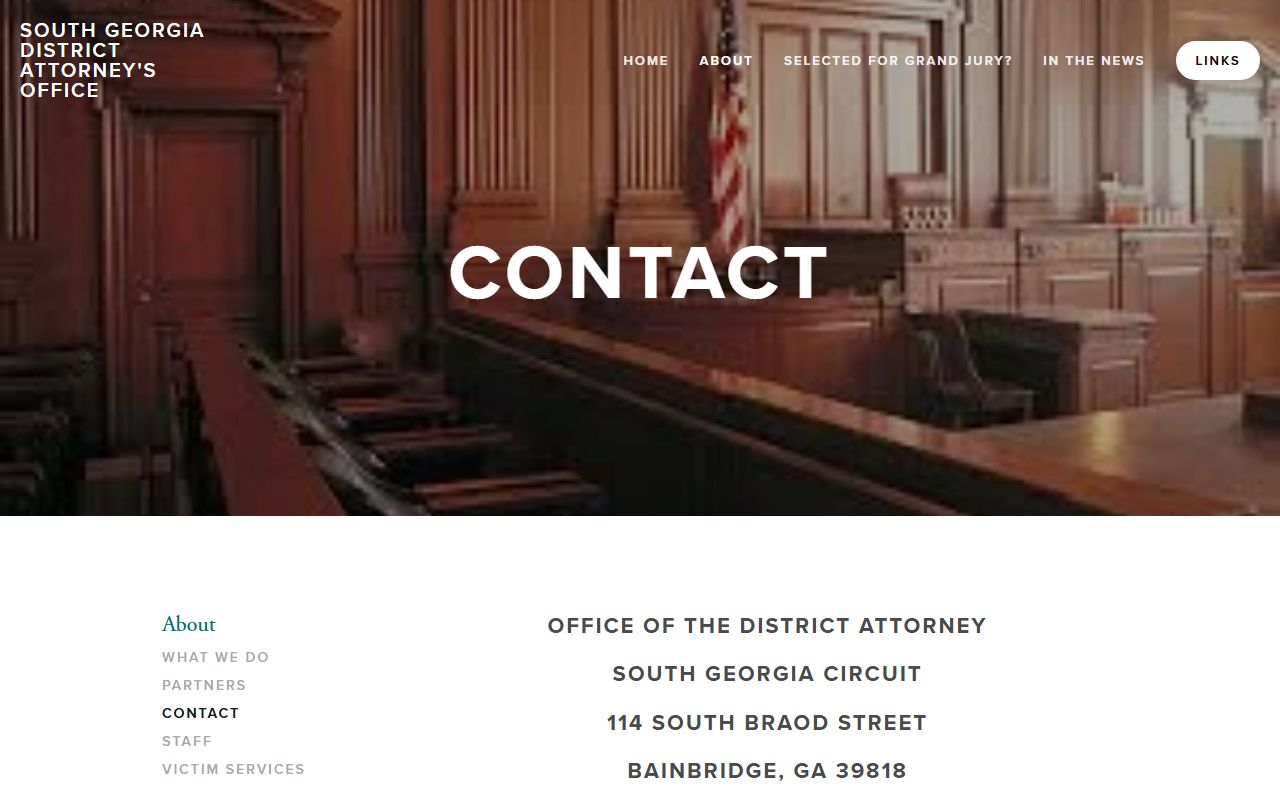
Use the prosecutor for prosecution-office questions, but request filed criminal court records from the clerk or the court that owns the file.
The Georgia Public Defender Council finder is the statewide source for locating public defender offices.
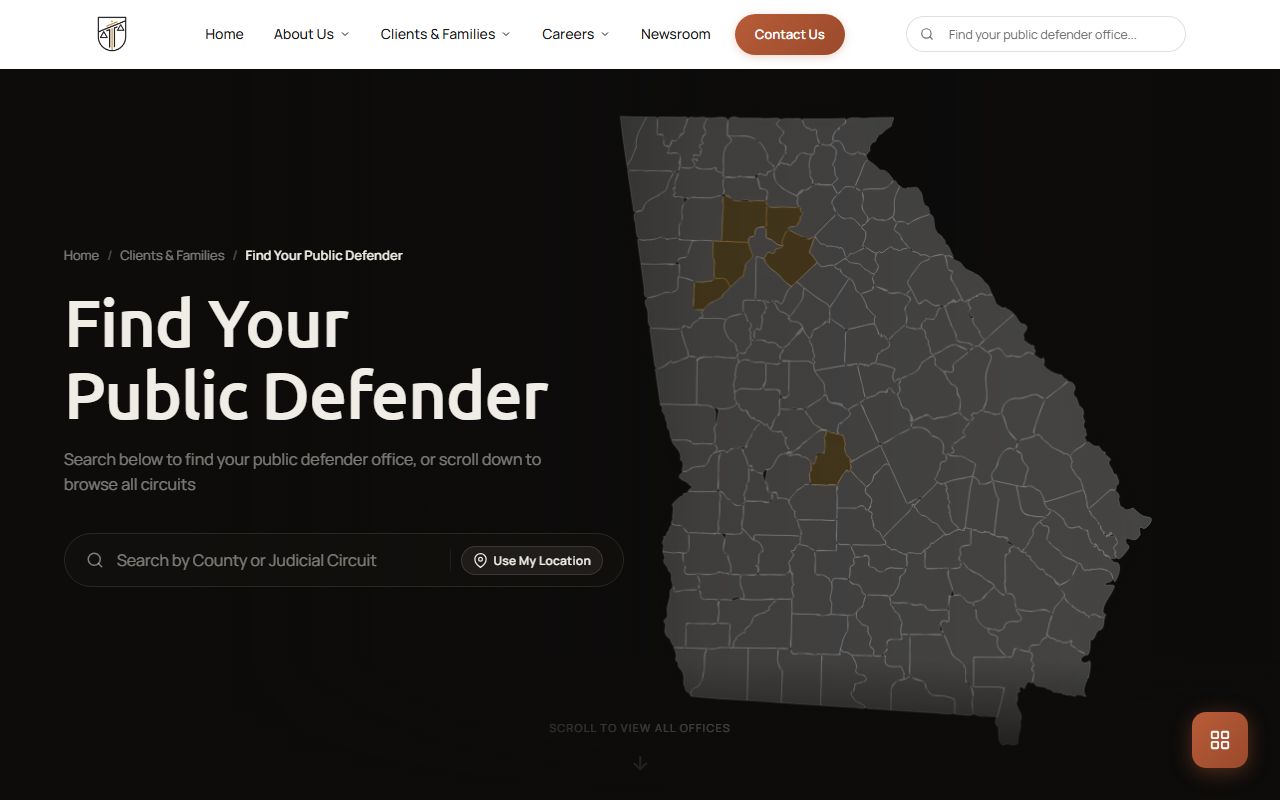
Public defender information helps identify representation channels, not a public case-search database.
Federal Criminal Records
Federal criminal court records involving Mitchell County are separate from local Superior or State Court records. The U.S. Attorney for the Middle District of Georgia has an Albany Division, and federal cases use federal court dockets through PACER or CM/ECF. A federal conviction, detention issue, or prosecution will not be certified by the Mitchell County Clerk of Superior Court.
The U.S. Attorney Albany Division page is a federal source tied to the Middle District of Georgia.
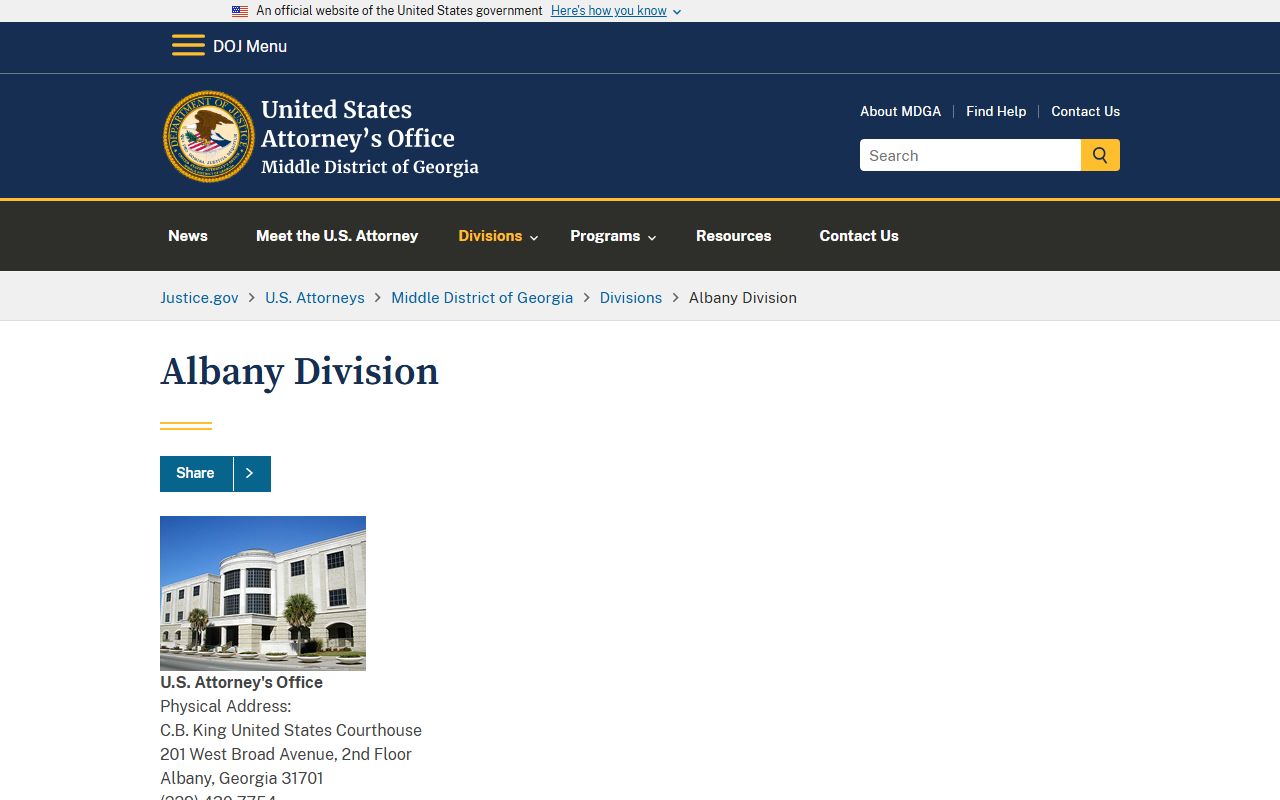
Search county and federal systems separately because the case numbers, courts, prosecutors, and clerks are different.
Restricted Mitchell Criminal Records
Restricted criminal court records include juvenile matters, sealed files, mental health or competency details, protected identifiers, and records limited by statute or court order. A missing online result should not be read as proof that no case exists. It may mean the case is sealed, juvenile, older, not digitized, held by a different court, or outside the county system.
For restriction questions, begin with the final disposition. If a charge was dismissed, not prosecuted, or resolved through a qualifying Georgia pathway, the requester may need court paperwork, prosecutor action, arresting-agency records, or state criminal-history steps. The clerk can identify court-file documents, but eligibility is a legal determination.